
What to Expect From a Professional Foundation Inspection Service
By Steven Whitican | September 2, 2026
A foundation is the fundamental part of a building's structure. It supports and anchors the property, ensuring stability and integrity. As such, understanding the importance of a professional foundation inspection service is crucial. According to RubyHome's Home Inspection Statistics Report, 86% of home inspections reveal at least one issue requiring attention. This statistic underscores the necessity of regular and thorough inspections to maintain structural health and safety.
The expectations from a professional foundation inspection service involve much more than simply checking for cracks and moisture. Inspectors evaluate the entire structure systematically, using advanced tools and techniques where necessary. Understanding the inspection process will allow you to be proactive in maintaining your property's condition. Let's explore everything you should expect from a professional foundation inspection service, providing detailed insights to guide you in safeguarding your investments.
Initial Consultation and Assessment
The foundation inspection process begins with an initial consultation, setting the stage for an effective evaluation. During this stage, inspectors discuss the homeowner's concerns and outline the inspection's scope. They gather essential information, such as the property's age, construction history, and any noticeable issues. This preliminary discussion guides the inspection by highlighting potential areas of concern. By understanding the homeowner's perspective, inspectors can tailor their approach to address specific challenges unique to the property.
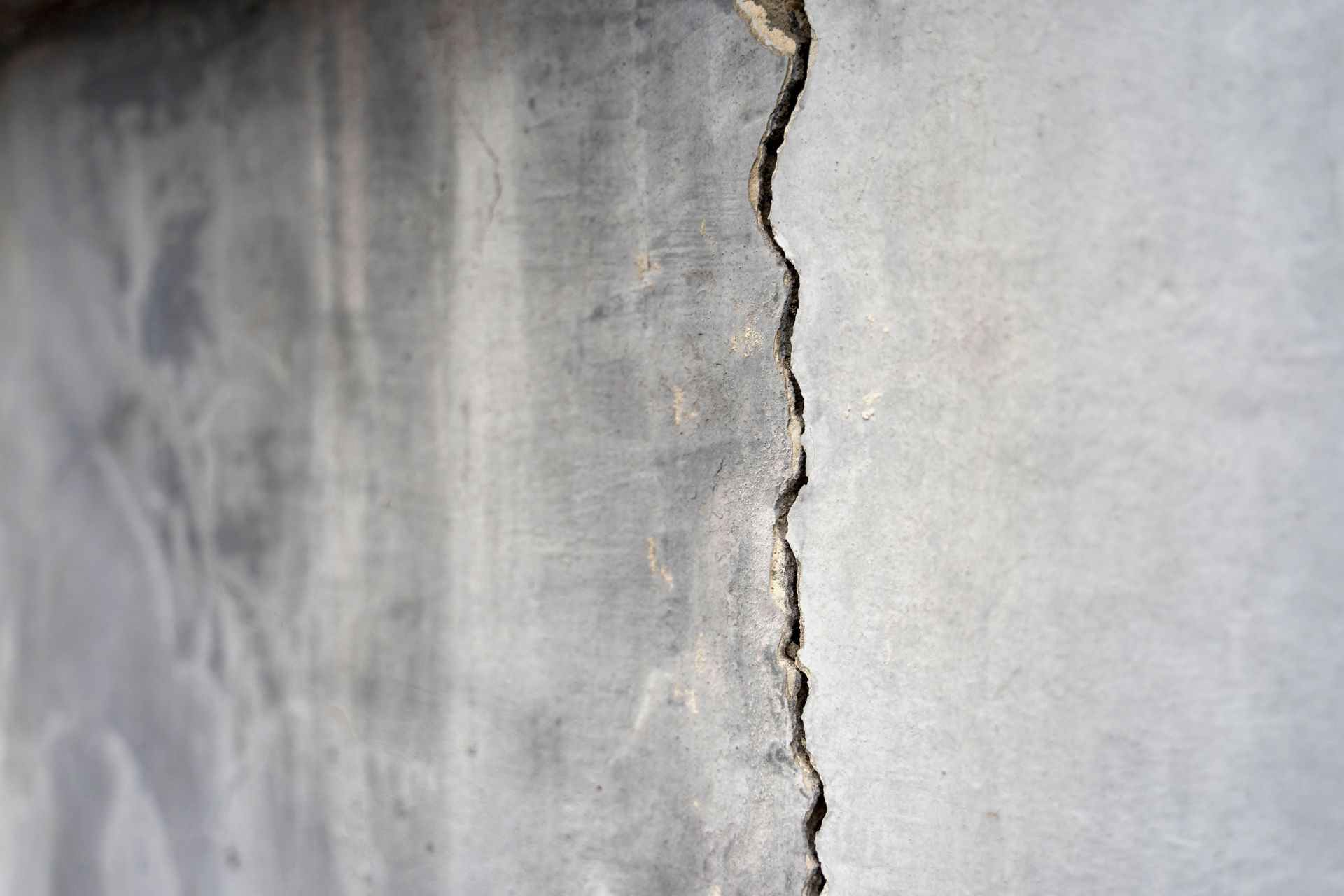
Following the consultation, a preliminary site assessment provides insight into the property's general condition. This involves a visual exterior examination to detect apparent issues, like cracks or water pooling, which may indicate underlying problems. Inspectors note these observations to include in their detailed evaluation, ensuring comprehensive coverage during the inspection. The initial assessment serves as a blueprint for the on-site process, allowing inspectors to focus on identified crucial areas. It marks a critical phase where professional judgment is applied to time investment and prioritization.
The consultation phase is also an opportunity to clarify the inspection process and manage expectations. Inspectors explain the methodology and anticipated outcomes, ensuring homeowners understand each step's significance. Clear communication helps alleviate concerns, establishing a foundation of trust and transparency. Setting realistic expectations about what the inspection entails, potential disruptions, and turnaround times facilitates smoother interactions. This cooperative relationship is essential in conducting a comprehensive and efficient foundation inspection service, addressing all necessary concerns.
On-Site Evaluation Procedures
The core of any foundation inspection service lies within the on-site evaluation procedure. This stage involves a systematic examination of the foundation and its surrounding environment to uncover any compromises in structural integrity. Inspectors continue from the initial assessment, employing advanced tools to assess the foundation from multiple vantage points. Attention focuses on critical areas, including walls, floors, and joint connections, while checking for misalignments, damage, or material degradation. The utilization of technology like infrared scanners aids in identifying these issues.
Furthermore, inspectors assess external factors affecting the foundation, such as the landscape, drainage systems, and potential environmental stressors. Evaluating these aspects helps identify areas susceptible to future stress and guides the development of mitigation strategies. Ground moisture, tree roots encroaching on the foundation, and soil conditions are among external considerations that may affect structural stability. A thorough assessment incorporates these factors, distinguishing the evaluation as a holistic prevention measure meant to safeguard property longevity. The comprehensive analysis ensures that underlying issues are not overlooked.
Throughout the on-site procedure, inspectors meticulously document their findings, taking photographs and detailed notes. This documentation is integral to producing an accurate and informative inspection report. Inspectors work patiently, ensuring every relevant aspect is thoroughly examined, with the ultimate goal of providing homeowners with a complete picture of their foundation's health. Their diligence ensures that findings accurately reflect the foundation's status, guiding subsequent actions. The on-site procedure's resulting report serves as a valuable resource in structuring future maintenance and improvement plans.
Documentation and Reporting
Comprehensive documentation and reporting are critical components of a successful foundation inspection. This phase compiles the observations and assessments made during the on-site evaluation, synthesizing them into a cohesive, easily understood format. The report, often structured in sections, covers the inspection's scope, detailed findings, and recommended corrective measures. Including visual documentation like photos and diagrams reinforces the report's clarity, bridging the gap between technical analysis and practical understanding.
Another pivotal aspect of the report is its emphasis on recommendations for addressing identified issues. These suggestions provide strategic guidance, allowing homeowners to prioritize repairs based on severity and urgency. Recommendations may include remedial actions, suggested repairs, or preventive steps to combat future complications. By outlining a roadmap for addressing maintenance needs, the report empowers homeowners to make informed and timely decisions. It also facilitates discussions with contractors, aiding in scheduling necessary work to maintain their property's integrity.
Beyond addressing immediate concerns, the inspection report can provide insight into the likely impacts of neglecting necessary repairs. This context underscores the urgency of resolving identified issues, protecting against the escalation of small problems into significant and costly structural failures. Emphasizing the need for preventative maintenance, the report highlights the importance of regular inspections and property upkeep. With the foresight offered by a comprehensive inspection report, homeowners can protect their investment while improving their property's safety and value.
Structural Analysis and Recommendations
Following the documentation stage, inspectors conduct a detailed structural analysis based on the observed data. Using advanced analytical tools, inspectors evaluate the long-term implications of identified issues on the building's integrity. This analysis includes predicting potential structural failures due to unchecked problems, offering insights critical in prioritizing repair strategies. Leveraging data-driven projections aids in visualizing growth scenarios, equipping property owners with information to make preemptive adjustments. With this understanding, owners can prioritize their maintenance efforts according to impact and urgency.
Strategic recommendations are developed alongside the structural analysis to provide concrete actions addressing the identified challenges. These recommendations are tailored specifically to the property's unique conditions and may range from minor adjustments to extensive renovations. Suggested steps may include sealing cracks, improving drainage systems, or reinforcing load-bearing structures. The report may further recommend consulting specialists for complex issues demanding specialized interventions. This specialized advice aligns efforts with the home's specific needs, ensuring effective maintenance solutions.
The intent behind the structural analysis and resulting recommendations is to foster proactive maintenance, preventing minor issues from evolving into severe structural deficiencies. Encouraging timely intervention not only preserves the property's value but also ensures the safety of its inhabitants. Tools like 3D modeling and predictive software contribute to forming accurate forecasts regarding the structural implications of existing issues, enhancing recommendation precision. Incorporating this guidance into regular maintenance activities yields long-lasting benefits, protecting both property investments and inhabitants' well-being.
Reviewing the Final Report
The final stage of foundation inspection service involves reviewing the completed report with the inspectors, ensuring all findings and recommendations are clearly understood. This interactive review addresses any questions or concerns the homeowner may have, explaining technical terminology and emphasizing particular areas requiring attention. By discussing the report with inspectors, homeowners gain deeper insight into the potential impact of identified issues and the rationale for suggested actions. Providing clarity fosters informed decision-making, aligning remedial measures with the property's unique needs.
The review process includes outlining a timeline for addressing identified issues, guiding the homeowners in implementing necessary repairs and maintenance strategies. This timeline prioritizes actions based on severity and urgency, helping owners allocate resources effectively while minimizing disruption. From immediate issues to long-term prevention measures, every proposed step is strategically sequenced to optimize resources.
Taking the final report into serious consideration is crucial for maintaining and enhancing property investment. The real value of a foundation inspection lies not just in identifying existing issues but in providing clarity on their long-term implications and necessary corrections. With a thoroughly reviewed report, homeowners are empowered to take decisive actions aimed at safeguarding their property's longevity. This proactive mindset ensures that investments are thoroughly protected, aligning maintenance activities with the home's structural needs. Peace of mind, achieved through professional inspections and detailed reports, is an invaluable asset to responsible property ownership.
A professional foundation inspection service is an essential investment in the long-term safety, stability, and value of your home. By taking a proactive approach, you gain the clarity and data needed to address structural vulnerabilities before they escalate into costly repairs. Prioritizing regular inspections with SJW Engineering LLC and acting promptly on expert recommendations ensures your property remains a safe, secure, and resilient asset for years to come. Reach out to us today to get started!


Share On: