
What a Foundation Inspection Reveals That General Inspectors Miss
By Steven Whitican | May 4, 2026
Understanding the critical role of foundation inspections and how they differ from general home inspections can save homeowners significant time and money. While a general inspection provides an overview, a foundation inspection delves deeper into structural integrity, revealing issues that might go unnoticed otherwise. Foundation inspections focus specifically on the base of a building, examining areas such as the footings and the ground it rests on. This level of scrutiny can uncover potential problems before they escalate into costly repairs. Engaging in such inspections ensures that a home's structural foundation remains sound, greatly enhancing property value and homeowner confidence.
Identifying Structural Integrity
The primary aim of a foundation inspection is to identify the building's structural integrity. Professionals conduct a thorough examination of load-bearing walls, pylons, and beams to detect any signs of stress or failure. This process involves not just visual checks but also the use of sophisticated equipment to measure alignment and stability. Unaddressed structural problems can lead to catastrophic failures, posing threats to safety and necessitating costly repairs. Unlike general inspectors who offer a surface-level evaluation, foundation inspectors provide a detailed analysis essential for long-term security.
Beyond the basic checks, foundation inspectors look at the full architectural load distribution. This includes ensuring that the weight distribution across the foundation is even and within permissible limits. Specialized tools like laser levels and load sensors allow inspectors to quantify the exact amount of stress on different components. Any imbalance can weaken the structure over time and potentially lead to significant damage. Thus, understanding load distribution is critical to ensuring that a building remains solid and secure.
Identifying and addressing structural integrity issues is crucial for maintaining a home's market value. According to U.S. Structural Systems (2025), a home with foundation issues can lose as much as 25% of its market value. This potential loss emphasizes the importance of regular, detailed inspections. Detecting problems early can help prevent depreciation and ensure a home remains a sound investment for years to come. Moreover, corrective measures taken early can avert more serious structural concerns in the future.
Uncovering Subtle Foundation Shifts
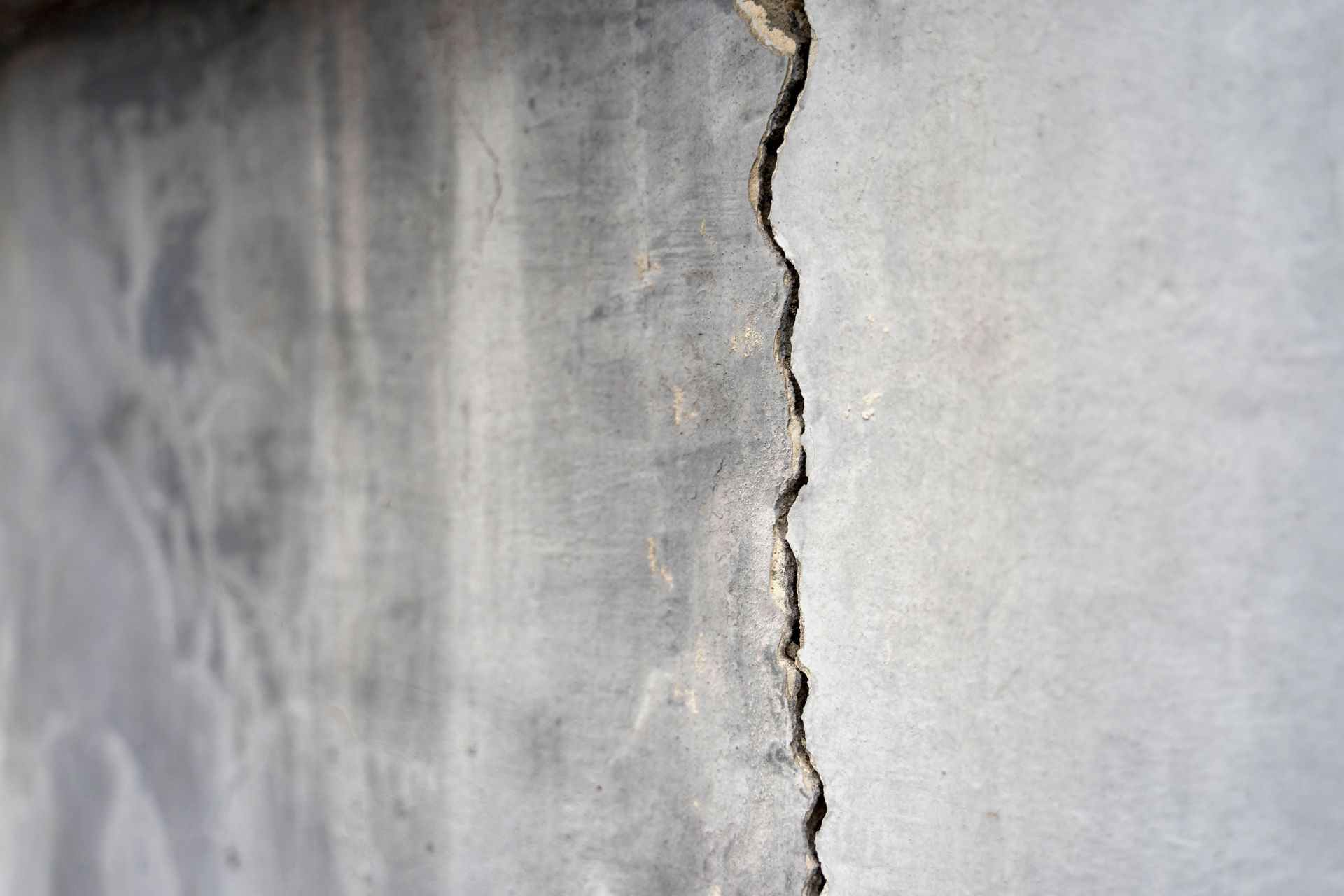
Furthermore, foundation shifts can occur subtly, often unnoticed until they have caused significant damage. A foundation inspection identifies these shifts by examining the slab and any tilting or cracking it may exhibit. Small changes in the foundation's alignment can lead to large-scale complications down the line. General inspectors might not recognize these minor shifts, which is where specialized foundation inspectors demonstrate their expertise. They utilize tools to measure the precise degree of tilt and settlement to identify potential problems before they escalate.
Various geophysical factors can contribute to subtle shifts in a foundation. Soil erosion, seismic activity, and even seasonal weather changes are culprits in these shifts. Inspectors typically delve into environmental patterns that may be affecting a home's foundation to gauge current stability and future risks. Understanding these influences allows for targeted interventions that address root causes rather than symptoms. Therefore, foundation inspectors play a pivotal role in counteracting naturally occurring shifts.
Without these specialized inspections, homeowners might only discover shifts when it's too late. Large repairs can be costly, and the time required to rectify the damage can displace occupants. Not only does this affect quality of life, but it can also significantly decrease a property's market value. Therefore, ongoing inspections became invaluable in providing peace of mind and financial security. Homeowners who forego foundation inspections leave their property vulnerable to otherwise avoidable shifts and settling issues.
Evaluating Soil Conditions and Impact
Soil conditions play a significant role in a foundation's long-term stability. A foundation inspection specializes in evaluating the soil composition beneath and around a home to predict potential issues. Different soil types react differently to moisture changes, impacting the foundation above. Identifying these characteristics helps inspectors know where future problems might arise, such as excessive settling or stress on foundation piers. Therefore, a detailed soil analysis is crucial in preventing long-term structural damage.
Foundation inspectors often engage in extensive soil testing as part of their routine. They assess soil compaction, strength, and saturation levels, providing insight into foundational stability. This knowledge allows for action, such as soil stabilization or moisture control solutions, to be considered in case of predicted vulnerabilities. In contrast, general inspectors may overlook such details, offering only superficial assessments without understanding underlying soil dynamics. These crucial distinctions can ultimately mean the success or failure of maintaining structural integrity.
Being proactive about soil-related issues can stave off severe future complications. For instance, expansive clay soils can swell and contract significantly with moisture changes, causing foundational shifts. Identifying these risks early on can guide remedial measures, from improved drainage solutions to deep-footing installations that reduce stress. Therefore, a comprehensive understanding of soil conditions arms homeowners with vital information to make informed decisions regarding property maintenance and enhancements. This foresight is vital for minimizing potential loss of property value due to foundation issues.
Spotting Water Damage and Drainage Problems
Water intrusion is one of the more insidious threats to a home's foundation. During a foundation inspection, professionals look for signs of moisture accumulation, mold growth, and the effectiveness of the existing drainage systems. Even minor water leaks or improper drainage can lead to significant foundation problems over time as water erodes base materials and encourages soil swelling. General inspectors might miss these issues, focusing instead on more visible external aspects. Foundation inspectors prioritize discovering water-induced damage early to prevent it from becoming destructive.
Inspectors make use of various methods to determine moisture presence and its implications. They might employ moisture meters, thermal imaging, or perform simple visual inspections of exterior gutters and downspouts. Ensuring water is directed away from the foundation reduces the likelihood of damage. Additionally, inspectors might evaluate the grading around a home to ensure water runoff flows away from critical areas.
Prevention of water damage can maintain, or even enhance, a home's value. When left untreated, consistent exposure to moisture can cause foundations to deteriorate significantly. Remediation efforts to repair such consequences can be time-consuming and expensive. Therefore, periodic and thorough inspections that pay special attention to potential water damage and drainage problems can retain market value and ensure a safe living environment.
Checking for Compliance With Building Codes
Compliance with local building codes is an essential component of foundation inspections. These codes stipulate minimum safety standards and help maintain uniformity across construction practices, preventing accidents and ensuring durability. Foundation inspectors are well-versed in these codes, ensuring that even the latest regulations are adhered to. This contrasts with general inspections that may lack such depth in their knowledge and evaluation criteria. Thus, foundation inspections ensure that a home's construction aligns with modern safety standards.
Building codes encompass specific requirements regarding materials, construction methods, and structural safety. If any deviations from these codes are detected, foundation inspectors report them and determine corrective measures. This compliance ensures that a structure is not only legally permissible but safer for its inhabitants. By ensuring adherence to these codes, inspectors help avoid potential legal implications or costly retrofitting. Consequently, regular foundation inspections are crucial for maintaining compliance with evolving building codes.
Foundation inspections provide a deeper, more precise evaluation than general home inspections, addressing structural integrity, soil conditions, and hidden risks. By identifying issues early and ensuring code compliance, these inspections protect property value, enhance safety, and offer homeowners long-term peace of mind through informed maintenance and proactive decision-making. For a foundation inspection, call SJW Engineering LLC today.


Share On: